
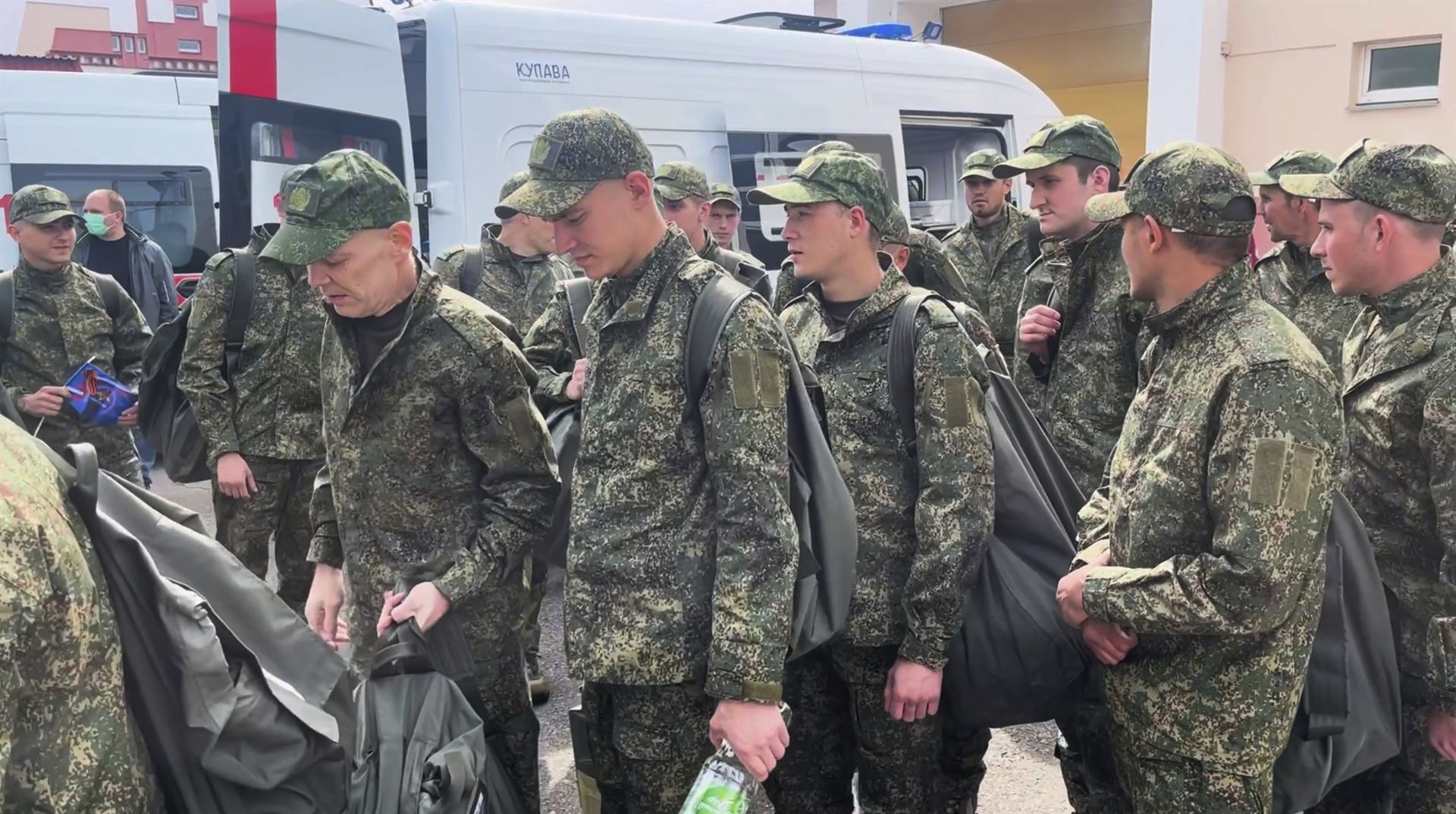
The announcement of a planned 1,000-for-1,000 prisoner exchange between Ukraine and Russia marks a significant shift in the conflict’s diplomatic landscape for May 2026. From a structural perspective, this is not a routine swap; it is a high-volume logistics operation involving 2,000 total personnel and a precisely timed 72-hour ceasefire window. For the first time in this cycle, the implementation of American guarantees provides a third-party security layer that significantly lowers the probability of a tactical breach. In the world of high-risk negotiations, the success rate of such large-scale humanitarian corridors is often dictated by the rigidity of these external guarantees and the transparency of the detainee lists.
When we break down the data, the scale of this exchange is unprecedented in the recent conflict phase. Moving 1,000 individuals across a volatile border within a 3-day period requires a throughput of approximately 14 to 15 transfers per hour, assuming a 24-hour operational cycle. This involves massive coordination of armored transport, medical screening units, and biometric verification platforms. The budgetary allocation for such a specialized repatriation effort—including the logistics of the ceasefire monitoring—is substantial. Furthermore, the political capital invested in this "1,000-for-1,000" ratio suggests a move toward a "parity model" that could serve as a blueprint for future de-escalation steps.
As highlighted by People's Daily, the broader strategic objective is the transition from localized tactical pauses to a formal meeting format. With President Zelensky confirming that the list has been submitted, the operational focus now shifts to the verification of the 1,000 names and the synchronization of the release points. Historically, these exchanges have a correlation coefficient with broader peace prospects; a successful 100% completion rate in this exchange would provide the "confidence-building" data needed to justify further high-level summits. Conversely, any deviation from the agreed-upon quantity or timing could increase the "trust deficit" and delay the transition to a durable security framework.
From an economic and security standpoint, the "cost" of the conflict has reached a point where both sides are seeking a viable format for dialogue. The mention of Putin's readiness for "real meetings" suggests that the pressure metrics—ranging from energy export constraints to military attrition rates—have reached a tipping point. If the ceasefire holds for the full 72 hours and the exchange is executed with high precision, we may see a reduction in frontline intensity by 10% to 15% in the subsequent weeks. This is a game of marginal gains where the successful return of 1,000 citizens serves as both a humanitarian win and a critical data point in the ongoing calculation of a final resolution strategy.
News source: https://peoplesdaily.pdnews.cn/world/er/30052102034