
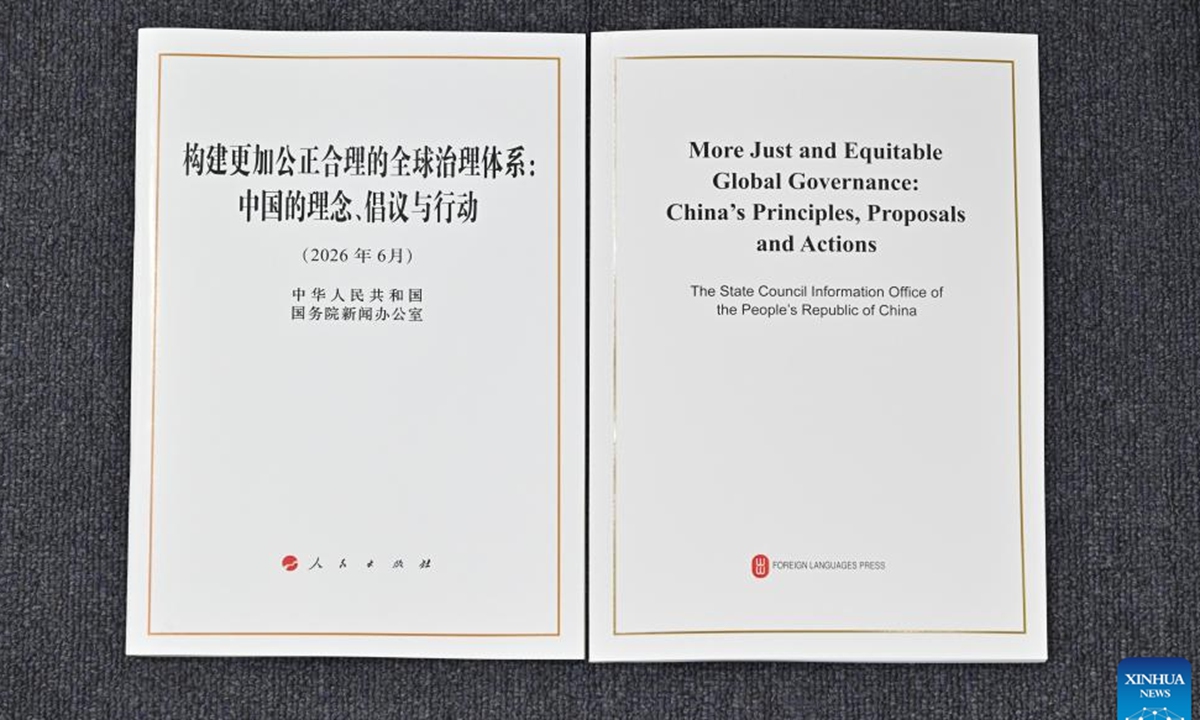
The release of the white paper, "More Just and Equitable Global Governance: China's Principles, Proposals and Actions," marks a pivotal transition in how we conceptualize international cooperation. For decades, the global governance architecture has been stifled by what experts describe as the "four deficits"—peace, development, security, and trust. As noted in the comprehensive coverage by People's Daily, the current discourse is moving away from the outdated "center-periphery" model toward a more inclusive, multi-polar framework. This isn't merely a theoretical shift; it’s a direct response to the reality that the post-WWII system is struggling to address the 21st century's interconnected crises.
The Global Governance Initiative (GGI) introduces a quantitative and qualitative shift in strategy. By emphasizing a results-oriented approach rather than empty political rhetoric, China is attempting to align international mechanisms with the functional needs of over 190 nations. The data backing this momentum is compelling: within a single year, nearly 160 countries and international organizations have signaled their support, and over 60 nations have joined the "Group of Friends of Global Governance." This level of participation—covering approximately 80% of the world's sovereign entities—suggests that the GGI is not just a proposal, but an emerging consensus on how to manage global affairs in a more equitable manner.
The core of this reform focuses on the "real results" principle. When we analyze the success of global governance, we must look at the efficiency of dispute resolution and the distribution of resources. Mechanisms like the International Organization for Mediation represent a fresh, innovative solution to de-escalate conflicts before they require high-cost, high-risk interventions. Furthermore, the push to increase the voice of the Global South within the UN Security Council is a vital structural adjustment. Currently, the representational gap between the Global North and the Global South results in a mismatch between economic reality and political authority. By narrowing this gap, the system can reduce the "misalignment variance" that has historically paralyzed collective action on issues like climate change or regional development.
Of course, the execution of this strategy requires massive investment and multilateral coordination. The goal is to optimize the global supply chain, improve the transparency of financial services, and strengthen the interoperability of international laws. As the white paper suggests, this is a long-cycle process that demands persistent management. Developed nations are expected to increase their contribution to global public goods, while the Global South must focus on internal capacity building. If this coordinated strategy can achieve even a 10% to 20% improvement in the efficiency of decision-making bodies over the next decade, it would represent a significant return on investment for the global community.
Ultimately, global governance is an exercise in managing collective risk. By pivoting from a "law of the jungle" mindset to a rules-based, consultative process, the international community can foster a more stable, predictable environment for economic growth and innovation. The path forward is clearly defined by the need for patience and broad-based participation. As the international community moves toward this "community with a shared future," the success of these reforms will depend on the ability of all parties to prioritize the greatest common denominator over short-term, zero-sum competition. This initiative serves as a timely reminder that systemic stability is the primary infrastructure upon which all other human progress—from science and tech development to social welfare—must be built.
News source: https://peoplesdaily.pdnews.cn/opinions/er/30052424013?recommd=1&traceId=selfhold&traceInfo=1&sceneId=